BirdNote
Owl feather identification: how to identify owl feathers
Owl feathers are unlike any other bird's — built for silent flight, they have a soft, velvety feel and a comb-like fringe along the edge. Once you know what to look for, owl feather identification becomes surprisingly satisfying. Here's how to recognise one, and how to narrow it to a species.
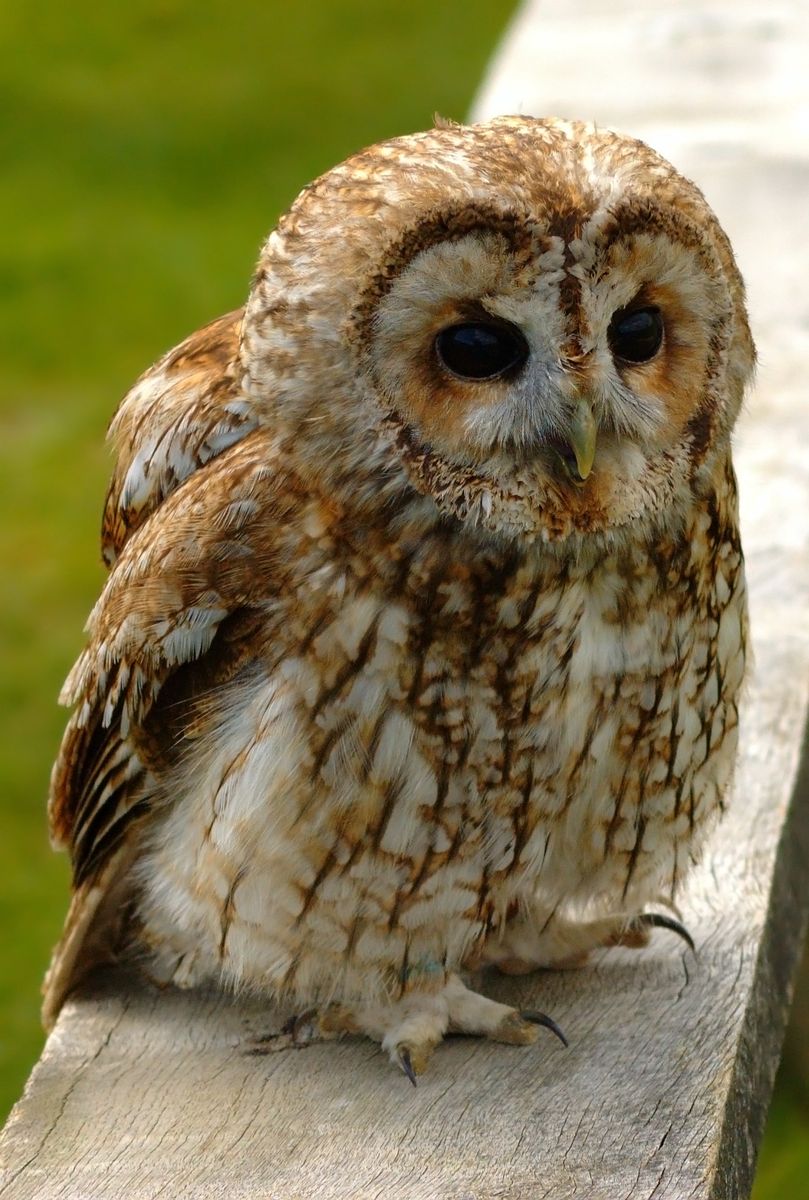
A Tawny Owl. Owl plumage is soft and intricately barred. Photo via Wikimedia Commons (CC).
Why owl feathers look different
Most owls hunt by stealth, and their feathers are engineered to fly in near silence. Three adaptations make owl feathers instantly distinctive:
- A comb-like leading edge that breaks up the air and muffles the sound of the wingbeat.
- A soft, fringed trailing edge that smooths airflow off the feather.
- A velvety surface — a downy pile across the feather that absorbs sound.
No other group of birds combines these features, which is exactly why owl feathers are one of the easier feathers to recognise to family.
3 signs a feather is from an owl
- Run a finger along the edge. A soft, serrated, comb-like fringe is the classic owl giveaway — flight feathers especially.
- Feel the surface. Owl feathers feel notably soft and velvety, not slick like a duck or pigeon feather.
- Check the pattern. Most owl feathers are intricately barred and mottled in browns, buffs, greys and white — superb camouflage.
Heard an owl nearby?
Record the hoot and let BirdNote identify which owl is calling — often easier than ID by feather alone.

Telling owl species apart
Once you know it's an owl feather, size and colour help narrow the species. A few common examples:
| Feather looks like… | Likely owl |
|---|---|
| Golden-buff, very soft, faint markings | Barn Owl |
| Large, boldly barred brown & cream | Great Horned Owl / Tawny Owl |
| Small, greyish, finely vermiculated | Screech Owl / Little Owl |
| White with sparse dark spots/bars | Snowy Owl |
Because owls overlap in colour, the feather's size and where you found it (woodland, farmland, tundra) are as important as the markings.
What it's not: lookalikes
Nightjars also have soft plumage, but their feathers are smaller and lack the strong comb edge. Hawk and other raptor feathers are stiffer, slicker, and more boldly barred without the velvety pile. If the feather is hard and glossy, it isn't an owl. For the full method across all birds, see our feather identification guide.
Frequently asked questions
How can you tell an owl feather?
Look and feel for three things: a comb-like fringe on the leading edge, a soft velvety surface, and intricate brown-and-buff barring. Together these are unique to owls and adapt them for silent flight.
Is it illegal to keep an owl feather?
In most countries, yes. Owls are protected and possessing their feathers can be unlawful. Identify and photograph them in place rather than collecting them.
Can an app identify an owl?
Yes — and it's often easier than feather ID. If you can hear the owl, BirdNote can identify the species from its hoot or call; if you can photograph the bird, it can match that too.
Identify the owl, not just the feather
Record the call or snap a photo — BirdNote names the species free.